

Michigan weather is hard on roofs. Snow, ice, storms, and temperature changes wear roofing materials down faster than in warmer climates.
Most roofs last between 20 and 30 years, depending on material, installation quality, and maintenance. Knowing when to replace your roof instead of continuing repairs can prevent expensive water damage and emergency problems.
At Roach Home Improvement, we've replaced thousands of roofs across West Michigan over our 20+ years in business. We know exactly what Michigan weather does to roofing systems and which signs indicate it's time for replacement rather than repair. In this guide, we separated 12 signs that mean you need to replace your roof.
How Long Should Your Roof Last in Michigan?
Michigan's climate significantly impacts roof lifespan. The same materials that last 30 years in mild climates may only last 20-25 years here due to temperature extremes, moisture, and weather events.
| Material | Expected Lifespan | Michigan Considerations |
|---|---|---|
| Asphalt Shingles | 20-25 years | Vulnerable to ice dams and freeze-thaw cycles |
| Architectural Shingles | 25-30 years | Better wind resistance for Michigan storms |
| Metal Roofing | 40-70 years | Excellent for snow shedding and ice prevention |
| Cedar Shakes | 25-30 years | Requires moisture treatment for Michigan humidity |
| Slate | 75-100+ years | Extremely durable but requires a strong structure |
12 Signs You Need to Replace Your Roof in Michigan
*Exterior Warning Signs *
1. Your Roof is Over 20 Years Old
Age is one of the biggest replacement factors. Older roofs fail more often, even if they look acceptable from the ground. Have your roof inspected once it reaches about 18 to 20 years old. Replacing early can help you avoid leaks and emergency repairs. If you do not know your roof's age, check inspection records or ask a roofing contractor to estimate it.
2. Curling, Cracking, or Missing Shingles
Damaged shingles are one of the most obvious warning signs. Common problems include:
- Curling shingles that are starting to fail
- Cracked shingles that have become brittle
- Missing shingles that can cause leaks
Small damage on newer roofs can often be repaired. Damage across large areas usually means replacement is needed.
3. Excessive Granule Loss
Granules protect shingles from weather damage. When they start wearing off, shingles break down faster. Some granule loss is normal. Large amounts in gutters or visible bald spots usually mean the roof is reaching the end of its life. Widespread granule loss usually means replacement is needed.
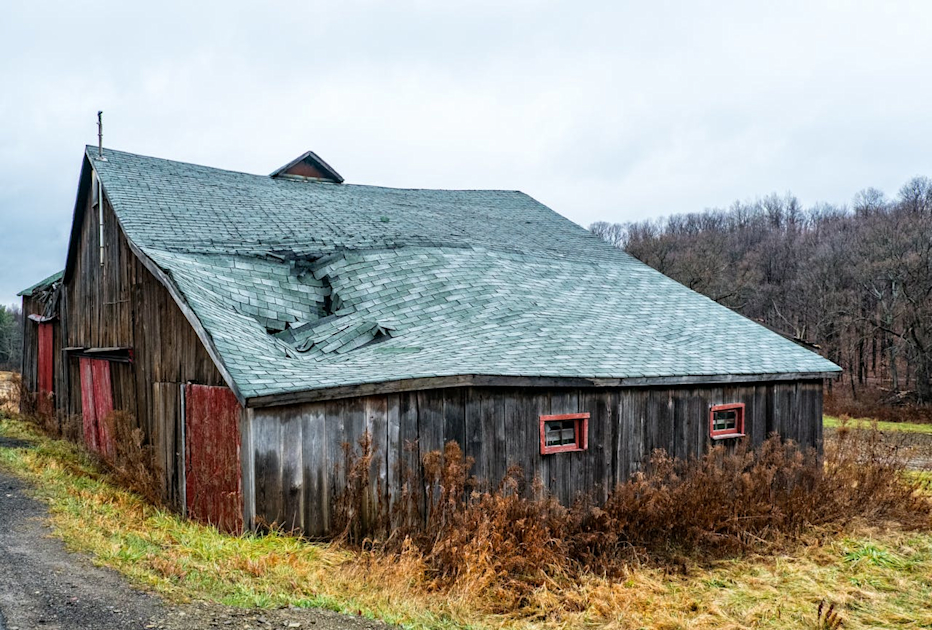
4. Sagging Roof Deck
A sagging roof needs immediate inspection. This usually means structural damage from moisture or long-term stress. Sagging does not fix itself and usually gets worse. Most sagging roofs require replacement along with structural repairs.
5. Moss, Algae, or Lichen Growth
Moss and algae hold moisture against shingles and can speed up deterioration. Light growth can sometimes be cleaned. Heavy growth often means the shingles are aging and absorbing moisture. Large affected areas usually mean replacement makes more sense than repeated cleaning.
6. Damaged or Missing Flashing
Flashing seals roof joints around chimneys, vents, and valleys. These areas often develop leaks first.
Watch for:
- Rust
- Loose flashing
- Cracks
- Missing sealant
Flashing can sometimes be repaired on newer roofs. On older roofs, it often makes more sense to replace everything together.
During roof replacement, all flashing is replaced with new materials properly integrated with the new shingles, providing decades of leak-free performance.
Interior Warning Signs
7. Water Stains on Ceilings or Walls
Water stains usually mean an active or past leak. Warning signs include:
- Stains in multiple rooms
- Stains that keep coming back
- Stains that grow after rain
Multiple leaks usually mean the roof system is failing, not just one area. Water damage can also cause rot, mold, and insulation damage if ignored.
8. Daylight Visible Through Roof Boards
Enter your attic on a bright day with the lights off. If you see sunlight streaming through the roof boards, gaps or holes have formed in your roof's protective barrier. Multiple light gaps usually mean replacement is needed.
9. Mold or Mildew in Attic
Musty odors or visible mold growth in your attic indicate moisture problems that may originate from roof leaks. Dark spots on rafters, sheathing, or insulation suggest chronic moisture exposure. This often points to roof leaks or ventilation problems. Fixing the roof usually solves the problem.
10. Increased Energy Bills
Roof problems can increase heating and cooling costs. Leaks, poor ventilation, and damaged insulation all reduce efficiency. If your roof is older and energy costs are rising, it may be part of the problem.
Unexplained increases in heating or cooling costs may indicate roof and attic problems. Your roof and attic insulation work together to regulate home temperature.
*Functional Warning Signs *
11. Frequent Repairs Needed
If repairs keep happening, replacement is usually the better investment. If your roof is over 15 years old and repairs keep adding up, replacement often saves money long term. If problems come back after repairs, the surrounding materials are likely worn out.
12. Storm Damage That Won't Heal
Michigan storms can cause damage that cannot always be repaired.
Watch for:
- Hail damage
- Wind damage
- Missing shingles
- Tree impact
Damage across multiple areas usually means replacement is the better solution.
Repair vs Replace Your Roof
Not every roof problem requires complete replacement. Use this table to determine the appropriate action.
| Situation | Repair | Replace | Notes |
|---|---|---|---|
| Roof under 15 years, isolated damage | ✓ | Cost-effective repair | |
| Roof 15-20 years, minor issues | Maybe | Consider | Depends on the extent |
| Roof over 20 years, any issues | ✓ | Limited remaining life | |
| Multiple leaks in different areas | ✓ | System-wide failure | |
| Widespread shingle damage | ✓ | Cannot patch effectively | |
| Structural issues (sagging) | ✓ | Safety concern | |
| Recent major storm damage | Assess | Likely | Check insurance |
| Selling home within 2 years | ✓ | Increases value | |
| Frequent repairs last 2-3 years | ✓ | More economical | |
| Single leak, roof under 10 years | ✓ | Isolated issue |
Best Times for Roof Replacement
- Late spring through early fall usually provides the best conditions.
- Spring allows repairs after winter damage.
- Summer offers stable weather.
- Early fall allows work before winter.
Planning gives you better scheduling options and avoids emergency work.
Final Thoughts
Knowing when to replace your roof helps prevent expensive interior damage and emergency repairs. Do not wait for major leaks. Early replacement is almost always cheaper than dealing with damage later.
Roach Home Improvement has replaced roofs across West Michigan for over 20 years. We provide inspections, clear pricing, and professional installation. Call us for a free roof inspection. We serve Battle Creek, Kalamazoo, Portage, Grand Rapids, and surrounding areas.
Call (269) 420-6623 or request your free estimate online. Protect your home with a roof that stands up to Michigan weather for decades to come.