

Michigan enforces comprehensive roofing safety standards through MIOSHA (Michigan Occupational Safety and Health Administration). These regulations protect workers during roof installation, repair, and replacement projects. Knowing these standards helps homeowners verify that contractors are following proper safety protocols before hiring.
Roofing work involves significant fall risks, from both the roof surface itself and the ladders used to access it. In Michigan, all roofing contractors must comply with MIOSHA Part 45 Fall Protection standards. Non-compliance can result in serious worker injuries, project shutdowns, and financial penalties for contractors.
At Roach Home Improvement, we've maintained zero serious safety incidents over our 20+ years serving West Michigan. We follow all MIOSHA requirements on every project, protecting our workers and our clients. This guide explains Michigan's roofing safety standards, what homeowners should verify before hiring contractors, and how these regulations protect everyone involved in roofing projects.
MIOSHA Part 45: Michigan's Roofing Safety Law
MIOSHA is Michigan's occupational safety and health agency, similar to federal OSHA but with authority over Michigan workplaces. MIOSHA Part 45 governs fall protection requirements for all construction work, including roofing.
All roofing contractors working in Michigan must comply with Part 45, regardless of project size. This applies to residential homes, commercial buildings, and multi-family properties. The law covers new installations, repairs, replacements, and maintenance work. MIOSHA enforces these standards through workplace inspections, complaint investigations, and accident reviews. Violations result in citations, fines, and potential license suspension. Serious or repeated violations can lead to criminal penalties.
Fall Protection Requirements: The 6-Foot Rule
Following federal OSHA standard 29 CFR 1926.502, which Michigan adopts through MIOSHA, fall protection is required for all work performed 6 feet or more above a lower level. This applies to roofing work on nearly all residential and commercial structures.
Three fall protection methods meet MIOSHA requirements: guardrail systems, personal fall arrest systems, and safety nets. Contractors must use at least one of these methods, which is why you should typically see roofers using harness systems.
The 6-foot threshold applies to the walking or working surface height relative to the level below. A single-story home with standard eight-foot walls typically has a roof edge 10-12 feet above ground, requiring fall protection.
Ladder safety falls under the same regulatory framework. A significant share of roofing falls occur not on the roof surface but during ladder access. MIOSHA adopts federal ladder safety requirements from 29 CFR 1926.1053, which require extension ladders to be set at a 4:1 angle (one foot out for every four feet of height), extend at least three feet above the roof edge, be secured at the top, and have workers maintain three points of contact at all times. Contractors skipping these basics are out of compliance before anyone sets foot on the roof.
The law presumes fall protection is feasible for all roofing work. Contractors claiming infeasibility must provide written documentation proving conventional systems cannot be used safely.
MIOSHA revised its enforcement policy in January 2020, eliminating previous allowances for alternative methods without proving infeasibility. This change significantly strengthened worker protection requirements. The update is reflected in MIOSHA's Construction Safety Standards under Part 45, available directly on the Michigan MIOSHA website at michigan.gov/leo/bureaus-agencies/miosha. Homeowners and contractors can review the full regulatory text and enforcement guidance there.
Federal OSHA vs Michigan MIOSHA
Many homeowners assume contractors follow federal OSHA regulations, but Michigan operates under its own system that differs in important ways.
OSHA is the federal workplace safety agency. MIOSHA (Michigan Occupational Safety and Health Administration) operates under a state plan approved by federal OSHA but maintains independent authority within Michigan.
Key Differences for Homeowners:
Enforcement Authority: Federal OSHA has no jurisdiction over Michigan worksites. MIOSHA alone conducts inspections, issues citations, and enforces penalties for violations in Michigan. This means contractors must comply with MIOSHA specifically, not federal OSHA.
Standards and Requirements: While MIOSHA adopts many federal OSHA standards, Michigan maintains the right to establish more stringent requirements. MIOSHA Part 45 incorporates federal construction safety standards (29 CFR 1926) but includes Michigan-specific provisions.
Inspection and Penalty Systems: MIOSHA conducts its own workplace inspections independent of federal oversight. Penalty structures and citation processes follow Michigan procedures. Contractors with clean federal OSHA records may still have MIOSHA violations.
State-Specific Provisions: MIOSHA addresses workplace safety issues specific to Michigan conditions, including extreme weather protocols, ice and snow safety measures, and seasonal work considerations.
Why This Matters to Homeowners: When hiring contractors, verify MIOSHA compliance specifically. Contractors may claim "OSHA compliance," referring to federal standards, but Michigan worksites require MIOSHA compliance. Ask to see MIOSHA-specific safety documentation and training records.
Residential vs Commercial Roofing Safety Standards
MIOSHA defines residential construction specifically for determining when alternative fall protection plans may be considered. Two elements must be satisfied: the structure's end-use must be as a home (dwelling), and construction must use traditional wood frame materials and methods. Commercial buildings, multi-family structures over a certain size, and buildings using primarily steel or concrete construction do not qualify as residential construction under MIOSHA definitions.
This distinction matters because only residential construction allows for alternative fall protection plans when conventional methods are proven infeasible. Commercial projects must use guardrails, personal fall arrest systems, or safety nets without exception. Most roofing work qualifies as feasible for conventional fall protection systems. The residential classification provides a narrow exception, not a blanket exemption from safety requirements.
What You Should Verify Before Hiring a Contractor
Contractor Licensing
Michigan requires roofing contractors to hold valid builder's licenses. Residential builders need either a Residential Builder License or a Maintenance and Alteration Contractor License, depending on project scope.
Verify licensing status through the Michigan Department of Licensing and Regulatory Affairs. Enter the contractor's name or license number to confirm current, active status. Licensed contractors have met state licensing requirements. Unlicensed contractors operating illegally cannot legally pull permits and may lack proper insurance coverage.
Insurance Coverage
Contractors must carry workers' compensation insurance covering all employees. This insurance protects workers injured on the job and shields homeowners from liability for workplace accidents.
Request a current certificate of insurance before signing any contract. Verify the policy is active and covers the project dates. The certificate should list your address as the project location.
General liability insurance protects against property damage during work. Minimum coverage of $1 million is standard for roofing contractors.
Homeowners may face liability exposure for worker injuries if the contractor lacks proper workers' compensation coverage. An injured worker can sue the homeowner's insurance when the employer has no coverage. This creates significant financial risk.
Safety Plan Documentation
Ask contractors about their written fall protection plans before hiring. Legitimate contractors following MIOSHA requirements will have documented safety procedures.
Request to see the site-specific fall protection plan for your project. The plan should identify specific fall hazards on your roof, describe protection methods to be used, and assign responsibility for implementation and monitoring.
Verify the contractor's crews have proper safety equipment. Professional crews should have visible fall protection equipment available. Check that workers have received fall protection training. MIOSHA requires training before employees work in situations requiring fall protection. Contractors should maintain training records.
MIOSHA Compliance History
Research potential contractors for safety violations. MIOSHA maintains inspection records showing citations issued to contractors.
Multiple violations or serious safety citations indicate poor safety practices. These contractors put workers at risk and expose homeowners to liability.
A clean MIOSHA record demonstrates commitment to workplace safety and regulatory compliance. This protects both workers and homeowners.
Safety Standards for Different Roof Types
Asphalt Shingle Roofs
Asphalt shingle installation on residential roofs typically requires personal fall arrest systems. Crews wear full-body harnesses connected to roof anchors throughout the workday. Tie-off to structural elements on the opposite roof slope, or truck-mounted systems for single-story homes. Proper anchor placement ensures adequate fall clearance.
Standard protection allows efficient work while meeting MIOSHA requirements. Experienced crews move freely while continuously connected to anchors.
Metal Roofing
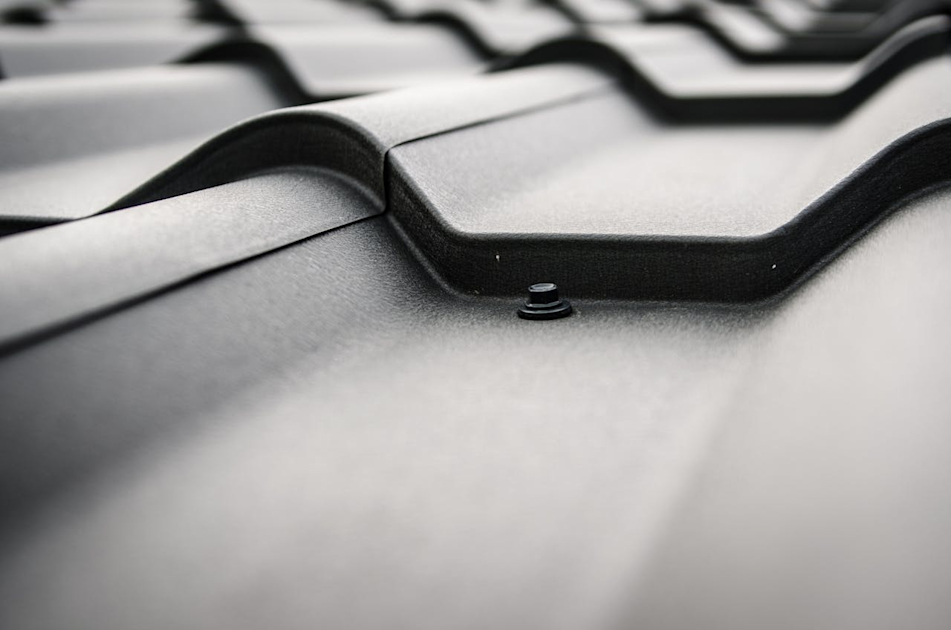
Standing seam and smooth metal panels present higher slip risk than asphalt shingles, particularly when wet or cold. Stone-coated metal products may offer comparable traction to asphalt, but fall protection requirements apply regardless of surface texture or product type. Contractors may use specialized roof brackets or platforms providing better footing. Personal fall arrest systems remain mandatory at heights of six feet or greater.
Metal roof installation often involves larger, heavier panels requiring special handling. Proper planning prevents workers from carrying heavy materials while managing fall protection equipment.
Flat and Low-Slope Roofs
Flat and low-slope roofs (4:12 pitch or less) allow the use of warning line systems during roofing work. Lines must be erected six feet from all roof edges.
Safety monitors watch workers operating between warning lines and edges. This system allows mobility while maintaining protection. However, MIOSHA sets strict requirements for who qualifies as a safety monitor. The monitor must be a competent person capable of recognizing fall hazards, must have no other duties while actively monitoring, must maintain direct visual contact with workers at all times, and must be close enough to communicate verbally without shouting. A worker casually watching while performing other tasks does not meet this standard. Workers performing non-roofing tasks (setting up equipment, moving materials to the roof) still require conventional fall protection when working within six feet of edges.
Steep Pitch Roofs
Roofs with pitches greater than 4:12 require conventional fall protection systems without exception. On steeper slopes, warning line systems become physically impractical; lines cannot be maintained at consistent distances from edges and workers cannot move safely between lines and roof edges without immediate fall risk. Personal fall arrest systems are standard for steep residential roofs. Guardrails are generally impractical due to installation difficulty on sloped surfaces. Workers on steep roofs remain connected to anchors throughout the workday. Proper training and equipment inspection prevent system failures.
Michigan Weather-Specific Safety Considerations
Winter Roofing
Ice and snow create extreme fall hazards during winter roofing work. Frozen surfaces are slippery even with proper footwear.
Cold weather affects fall protection in practical ways: snaphooks can freeze, harnesses become stiffer and harder to fit correctly over bulky winter clothing, and worker mobility is reduced. Most modern lanyards meet ANSI performance ratings well below typical Michigan winter temperatures, but all equipment should be inspected before each use in freezing conditions. Many contractors suspend roofing work during the winter months for safety reasons. Emergency repairs may proceed with enhanced safety measures, including additional fall protection and constant monitoring.
Snow accumulation must be removed before workers access roofs. Even light snow cover masks hazards and creates slipping risks.
Wind Conditions
High winds make roofing work dangerous. Materials can act as sails, pulling workers off balance. Wind also affects fall protection equipment performance.
Contractors often suspend work during high winds for safety. Gusts create unpredictable forces that can overcome worker stability and pull materials from workers' hands.
Contractors should monitor weather forecasts and cease work when wind conditions deteriorate. Worker safety takes precedence over project schedules.
Storm Damage Emergency Repairs
Emergency repairs following storm damage still require compliance with fall protection standards. Urgency does not exempt contractors from safety requirements.
Temporary measures like tarping damaged areas must be performed with proper fall protection. The emergency nature of work increases fall risk due to damaged roof surfaces and rushed conditions. Document all emergency work, including safety measures taken. This protects both contractors and homeowners if questions arise later.
Building Permits and Safety Inspections
Permit requirements for roofing vary significantly by municipality in Michigan. Like-for-like shingle replacements are often exempt from permit requirements in many jurisdictions, while full replacements involving decking repairs, structural modifications, or material changes typically do require permits. Do not assume either way; contact your local building department directly before work begins to confirm what applies to your specific project.
Building inspectors verify work meets Michigan construction code requirements, including safety standards. Inspections typically occur at project milestones: after tear-off, during installation, and upon completion.
Inspectors check for proper fall protection during active work. Contractors working without required safety equipment face stop-work orders and citations. Permits create documentation of work performed. This protects homeowners during home sales and insurance claims. Unpermitted work can complicate future transactions and void insurance coverage.
Consequences of Non-Compliance
For Contractors
MIOSHA citations for fall protection violations carry significant penalties. Serious violations (those creating a substantial probability of death or serious physical harm) result in fines and significant financial penalties.
Willful violations demonstrate intentional disregard for safety requirements. Repeat violations of the same standard within three years incur enhanced penalties.
Contractors with serious or repeated violations face license suspension or revocation through the Department of Licensing and Regulatory Affairs. This prevents them from legally operating in Michigan.
Criminal penalties apply to violations causing worker death. Contractors can face imprisonment in addition to financial penalties. Current MIOSHA penalty schedules detail specific fine amounts.
For Homeowners
Homeowners hiring contractors without proper workers' compensation insurance can be held liable for worker injuries. Injured workers may sue homeowners directly when the contractor lacks coverage. This liability can extend to serious injuries requiring expensive medical treatment and long-term care. Homeowner exposure varies depending on circumstances and existing coverage. Under Michigan's Workers' Disability Compensation Act, residential homeowners may have limited exposure in some situations, but this is not a reliable source of protection to rely on. Verify contractor insurance coverage before any project begins and consult your own insurance provider about your specific exposure. Homeowner insurance policies may deny claims related to work performed without proper permits. This leaves homeowners fully responsible for costs. Future home sales can be complicated by unpermitted roofing work. Title companies may require correction of permit violations before closing. Buyers may demand price reductions or walk away from purchases.
The 2020 MIOSHA Policy Update
In 2020, MIOSHA strengthened fall protection enforcement for residential roofing. Previous policies sometimes allowed contractors to use slide guards or safety monitoring systems instead of full fall protection.
Today, contractors must use conventional fall protection systems—such as guardrails, personal fall arrest systems (harnesses), or safety nets—unless they can prove these methods are infeasible or create greater hazards.
For homeowners, this means you should expect to see roofing crews using harnesses and proper safety equipment on nearly every project. Contractors still relying on outdated practices or avoiding fall protection are likely out of compliance and putting workers at risk.
Choose Safety-Compliant Roofing Contractors
Michigan's roofing safety standards protect workers and homeowners from the serious risks of fall-related injuries. MIOSHA Part 45 requirements are not optional suggestions but legally binding regulations that all contractors must follow.
Homeowners have a responsibility to verify that contractors comply with safety standards. Hiring unlicensed or uninsured contractors, or those who cut corners on safety, creates legal and financial liability.
At Roach Home Improvement, safety compliance is non-negotiable. We maintain current licensing, proper insurance, and comprehensive safety programs on every project. Our 20+ years of safe operations demonstrate that protecting workers and doing quality work go hand in hand.
Contact Roach Home Improvement for roofing services throughout West Michigan. We provide free estimates, including detailed explanations of our safety practices. Our team serves Battle Creek, Kalamazoo, Portage, Grand Rapids, and all surrounding areas.
Call (269) 420-6623 or request your free estimate online. Choose a licensed, insured contractor who follows MIOSHA safety requirements and follows all Michigan roofing safety standards.